

In recent years, transgender actresses have begun to occupy an increasingly visible space within the Latin American audiovisual industry. For decades, trans representation was marked by stereotypes, secondary roles, or direct exclusion. However, today many trans women not only participate in relevant productions but also star in stories that change narratives and broaden the cultural perspective in the region.
This progress has not been accidental. It is the result of social struggles, activism, and artistic talent that have challenged rigid structures, almost as closed as some commercial rolling gates before being opened by cultural change. Today we celebrate eight women who are leaving their mark on the industry.
Transgender actresses who are marking a new stage in Latin America
The Latin American audiovisual industry is experiencing a process of transformation that, although gradual, is deeply significant. For many years, trans women were excluded from leading roles or relegated to stereotypical parts that did not represent the complexity of their lives. Today, transgender actresses are proving that talent, preparation, and authenticity can open paths where barriers once existed.
This Top 8 brings together some of the most representative figures in the region—women who have not only participated in important productions but have also actively contributed to expanding the conversation about diversity and inclusion in film and television. Some have achieved international recognition; others have built solid careers at the local or independent level. All of them, without exception, are part of a cultural shift that is redefining trans representation in Latin America.
Below, we celebrate their work, their impact, and the mark they are leaving on the audiovisual history of our region.
You might also be interested in reading: Top 10 de personajes lgbt en series más icónicos

1. Daniela Vega: one of the most influential transgender actresses in Latin cinema
Daniela Vega was born in Santiago, Chile, and from a very young age showed interest in the performing arts and music. Before fully dedicating herself to acting, she studied classical singing, which helped her develop an artistic sensitivity that she later brought to cinema. Her breakthrough came with A Fantastic Woman (2017), directed by Sebastián Lelio, where she played Marina, a trans woman who faces discrimination after the death of her partner.
The impact of her performance was historic: not only did she star in an Oscar-winning film, but she also became the first trans woman to present an award at the Academy Awards ceremony. Daniela has used her visibility to promote discussions about human rights, identity, and authentic representation. Her career demonstrates how talent and preparation can transcend deeply rooted prejudice.

2. Lux Pascal and the growth of transgender actresses on television
Lux Pascal was born in the United States but grew up in Chile, where she developed her artistic career. She studied theater at the Pontifical Catholic University of Chile and later continued her training in New York. Her career includes appearances in Chilean series, theater productions, and international projects.
Her public transition in 2021 marked an important moment in her career, as she decided to speak openly about her identity in a context that remains conservative in many sectors of the Latin American entertainment industry. Since then, Lux has become a key figure in increasing the visibility of transgender actresses in professional training spaces and international productions.

3. Roberta Close: a pioneer among transgender actresses in Brazil
Roberta Close was born in Rio de Janeiro and rose to prominence in the 1980s. She was one of the first trans women in Brazil to achieve mass recognition in print and television media. She appeared on television programs and in photo sessions that generated both admiration and controversy at the time.
In an era when conversations about gender identity were almost nonexistent in Latin America, Roberta challenged conservative social structures simply through her public presence. Although her career developed in a very different context from today, her legacy remains an important reference point in the history of transgender actresses in the region.
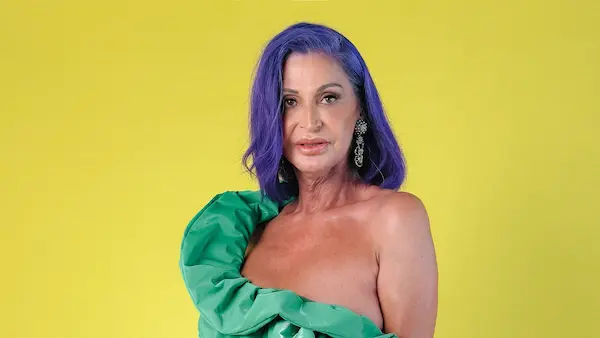
4. Alejandra Bogue and the visibility of trans women in Mexico
Alejandra Bogue was born in Mexico City and began her artistic career in theater. She later gained popularity on television, where she participated in alternative programs that combined satire, comedy, and social criticism. Her irreverent style and authenticity made her a distinctive figure within Mexican entertainment.
Throughout her career, Alejandra has defended the presence of trans women in traditional media spaces, demonstrating that representation can also be built through humor and creativity. Her longevity in the industry reflects discipline and sustained talent.
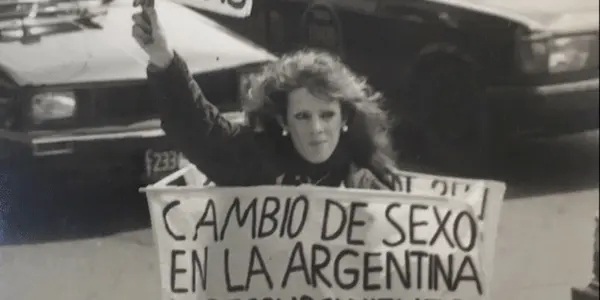
5. Karina Urbina and independent cinema with a trans perspective
Karina Urbina is a Mexican actress and activist. She has participated in independent productions and cultural projects that seek to represent trans stories from an honest and human perspective. She has also been a constant advocate for labor rights and professional recognition for trans artists in Mexico.
Her career is defined not only by her work on screen but also by her commitment to community engagement. Karina is part of a generation of transgender actresses who view art as a tool for social transformation.

6. Isabella Santiago and trans inclusion in mainstream formats
Isabella Santiago was born in Caracas and began her career in modeling before moving into television. Her participation in pageants and reality shows expanded her visibility throughout Latin America. She later joined dramatic productions that allowed her to consolidate her career as an actress.
Her trajectory represents progress in inclusion within commercial entertainment. Through her work, she has helped normalize the presence of trans women in television formats with large audiences—something that would have been unthinkable decades ago.
The impact of transgender actresses on the Latin American audiovisual industry
The presence of transgender actresses in Latin American film and television represents not only progress in terms of inclusion but also a profound shift in the cultural construction of identity. For years, narratives about trans people were written from external perspectives, often filled with stigma or simplification. Today, when trans women portray their own stories or complex characters, the narrative changes.
This shift is not merely symbolic. It has real effects on social perception, cultural education, and the way new generations understand diversity. Authentic representation helps dismantle prejudice, humanize experiences, and broaden collective understanding of gender identity.
Challenges faced by transgender actresses in Latin America
Despite the progress, transgender actresses in Latin America continue to face significant obstacles within the audiovisual industry. One of the main challenges is equitable access to castings and large-budget productions. In many cases, trans roles remain limited or are written from reductionist perspectives.
The industry still needs to update many of its internal structures to adapt to a more diverse reality. Sometimes it seems as though it requires a deep roller door service in New York to review outdated mechanisms that no longer respond to current cultural demands.
In addition, there are structural barriers related to workplace discrimination, lack of funding for inclusive projects, and limited representation in decision-making spaces. True inclusion involves not only presence on screen but also active participation in storytelling, scriptwriting, and production.
The future of transgender actresses in film and television
If we look at the history of Latin American cinema, we see that for decades trans identities appeared as caricatures, comedic elements, or marginalized figures. Rarely were their stories explored with emotional depth or narrative complexity.
In the last decade, however, we have seen gradual change. Independent films, LGBTQ film festivals, and streaming platforms have opened space for more diverse stories. Transgender actresses now star in love stories, family dramas, social narratives, and productions that do not revolve exclusively around their gender identity.
You might also be interested in reading: 10 planes para hacer en pareja que fortalecen la relación

New platforms and digital opportunities
Social media and digital content platforms have radically transformed the way artists build their careers. Today, many transgender actresses can generate visibility, audiences, and professional opportunities without depending exclusively on major studios.
YouTube, Instagram, TikTok, and streaming platforms have allowed new voices to emerge and connect directly with their audiences. This has partially democratized access to visibility and reduced some of the traditional barriers within the industry. However, institutional validation remains important. Appearing in formal productions continues to be a significant indicator of structural progress.
Role models for new generations
One of the most meaningful aspects of the rise of transgender actresses in Latin America is the impact they have on trans girls, teenagers, and young people seeking role models. For a long time, growing up without visible examples meant facing the world with greater isolation.
Today, seeing trans women succeed in film and television helps build collective self-esteem and a sense of possibility. Representation not only entertains—it also educates, inspires, and validates identities.
These role models help reduce stigma and reinforce the idea that talent and identity can coexist fully in any professional field.
The role of audiences in cultural transformation
The advancement of trans representation does not depend solely on producers and directors. Audiences also play a fundamental role. Supporting inclusive films, consuming diverse content, and promoting respectful conversations directly contribute to more projects being funded.
When audiences respond positively to stories starring transgender actresses, the industry receives a clear message: diversity is not an exception it is a real cultural demand.
Cultural transformation requires strong structures that support change, much like commercial rolling gates in Long Island protect and reinforce physical spaces. In the same way, authentic representation protects and strengthens symbolic spaces within art.
You might also be interested in reading: Cómo hacer una recomposición corporal | Lo que tienes que saber

Conclusion
Transgender actresses in Latin America are not only participating in audiovisual productions; they are driving a cultural movement that redefines who gets to tell stories and from what perspective those stories are told. Every role, interview, and public appearance contributes to a broader transformation in the social narrative.
The industry still faces important challenges, but the path has already been laid. Talent, preparation, and visibility continue to demonstrate that inclusion is not a passing trend but a necessary evolution in art and culture.
Celebrating these women means celebrating the progress of a region that is learning, slowly but firmly, to recognize the richness of its diversity.